
Whack-a-Mole: How China's War on Cybercrime Pushed Fraud Offshore – and Ignited a U.S. Crackdown
As China cracked down on domestic online fraud, scam compounds in Southeast Asia grew larger and more prominent, targeting victims worldwide

On October 14, 2025, the U.S. Department of Justice (DOJ) unsealed an indictment against Chen Zhi (陈志), the Chinese-born founder of Cambodia’s Prince Holding Group, a sprawling real estate and casino conglomerate, charging him with running forced-labor compounds – known as “scam centers,” where trafficked workers are forced to carry out online fraud targeting victims worldwide.1 The case involved a record $15 billion bitcoin seizure, described by the Treasury as the largest action ever taken against cybercriminal networks in Southeast Asia.
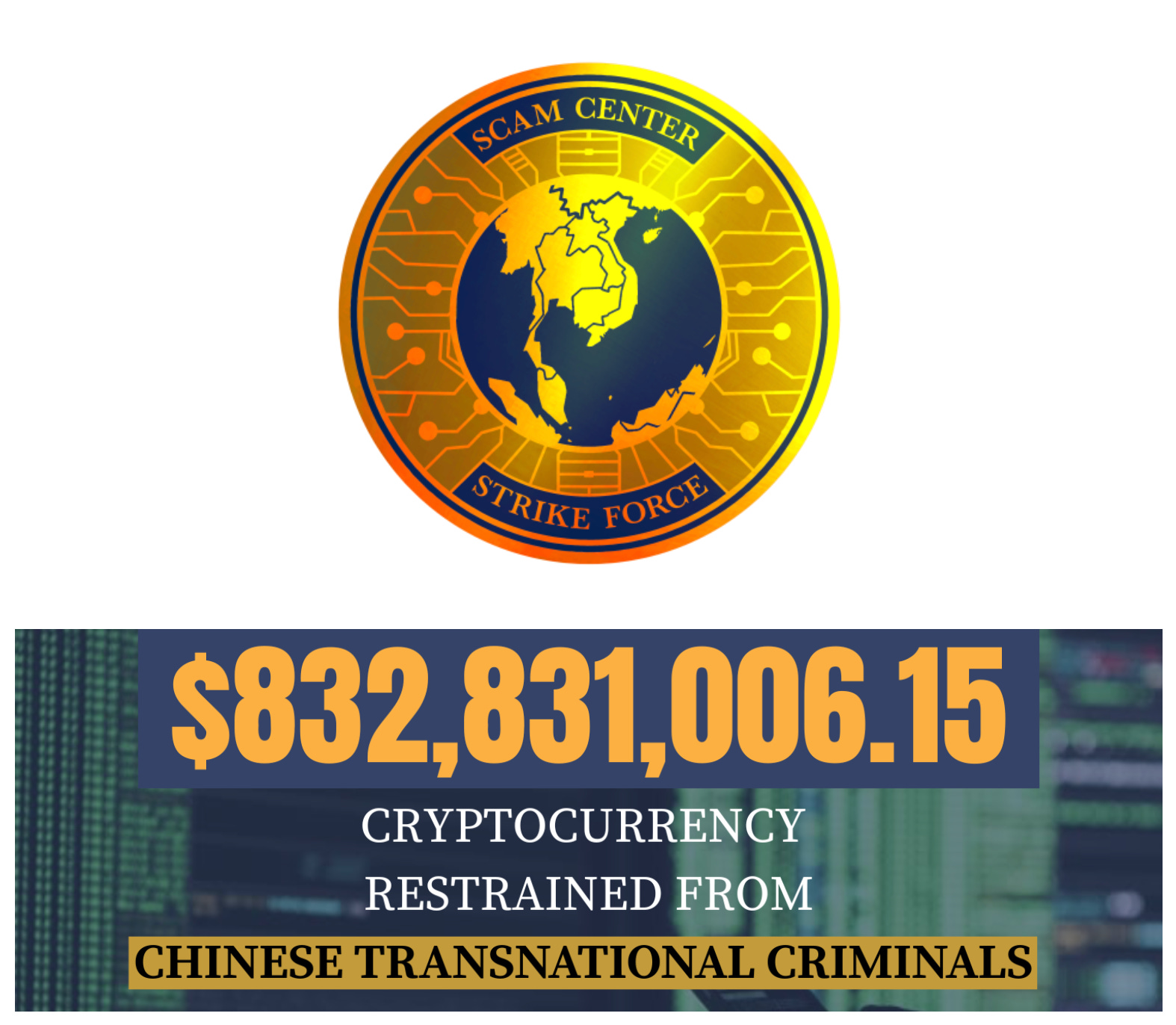
The indictment was not an isolated prosecution but part of a rapidly escalating U.S. crackdown on a vast criminal ecosystem. Less than a month later, on November 12, the U.S. Attorney for the District of Columbia, with the FBI and Secret Service, launched a dedicated “Scam Center Strike Force” to pursue “the most egregious Southeast Asian scam centers and their leaders.” Americans lost at least $10 billion to Southeast Asia-based scam operations in 2024 by U.S. government estimates – a 66% jump year-on-year. These scam centers have largely been developed and led by Chinese nationals who relocated from China itself – what the DOJ has called a “generational wealth transfer from Main Street America into the pockets of Chinese organized crime.” In July 2026, U.S. FBI Director Kash Patel visited Thailand and Cambodia and met with those countries’ prime ministers and law enforcement to discuss cooperation against this scourge.
Before it became a major American concern, scam centers were already one of China’s most pressing transnational crime challenges, pursued with sweeping intensity: a dedicated national law, four targeted law enforcement campaigns between 2020 and 2024, high-level summits with neighboring states, and even a domestic blockbuster film. On March 31, 2023, China’s embassy in Washington described the effort as a “People’s War” against fraud.
Making sense of the current U.S. challenge and response therefore requires tracing how China’s own years-long battle against telecom fraud unfolded. This article traces that arc: the hacker scene that seeded China’s fraud economy and the domestic crackdown that drove it abroad. It then turns to the rise of offshore scam centers, China’s enforcement campaigns against them – including the strategic carveouts that complicate those efforts – and the industry’s shift in victims from mostly Chinese to increasingly foreign, including American, targets.
